


A perfect 10/10 horror movie is exceptionally rare, and it’s a shame that some of the genre’s best films have been almost completely forgotten. Since the dawn of cinema, horror has never failed to pack movie houses with screaming fans looking for their next blood-curdling thrill. As tastes have changed, so too has horror evolved to meet the times.
The most memorable horror films are the perfect combination of terror and cinematic excellence, scaring the wits out of viewers while stimulating their minds with masterful technique. While horror has produced many legendary films, it has also produced more hidden gems than any other genre. To be a true horror fan, one must dig below the surface.
There are many reasons why some horror movies are overlooked. Some debuted at the wrong time, while others missed the opportunity to find a large audience. Either way, it’s becoming increasingly difficult to find true hidden gems. Especially the ones that earn a 10 out of 10 from the legions of bloodthirsty horror hounds who have seen everything.
This Night I’ll Possess Your Corpse (1967)
Brazil isn’t known for horror, but the country’s infamous Coffin Joe series is its greatest legacy in the genre. In This Night I’ll Possess Your Corpse, Joe descends upon a small town in search of his perfect bride, killing off any women who aren’t worthy. The black-and-white chiller is surreal and dreamlike, creating an unmatched atmosphere.
Writer/director/star José Mojica Marins’ performance as Coffin Joe is theatrical and weird, and there are small touches of his own morbid personality in the character. It has many qualities of a B-movie, but it’s so fiercely original that it’s elevated above the usual schlock cinema. While never outright frightening, the Coffin Joe sequel is nevertheless impactful.
The Reflecting Skin (1990)
Long before he was Aragorn in The Lord of the Rings, Viggo Mortensen starred in a one-of-a-kind horror film called The Reflecting Skin. In 1950s Idaho, a young boy comes to suspect his reclusive neighbor is a vampire when all of his friends begin turning up dead. With stark, noir-inspired visuals, The Reflecting Skin is a well-crafted piece of cinema.
The horror is implied, and the story is extra creepy because it’s filtered through the imagination of a child. The bleak plains of Idaho are utilized to haunting perfection as the story’s backdrop, and painters like Andrew Wyeth clearly inspired the visuals. It’s a movie about the horrors of grief, and the darker side of the American post-war experience.
May (2002)
Though May is a horror film almost nobody remembers, its reputation is slowly growing. The movie concerns an outcast teenage girl who struggles to make meaningful connections. After a series of relationship reversals, May becomes violent. The quirky teen-gone-bad story has been done to death, but May is a much richer story underneath.
The first half of the film borders on being a charming dark dramedy, while the second delves into absolute terror. The halves wouldn’t work without each other, and May’s eventual turn feels both frightening and tragic because the audience comes to sympathize with her plight. The Aughts hidden gem might not be hidden for much longer.
Deathdream (1974)
The same year that director Bob Clark made Black Christmas, he delivered another brilliant horror film called Deathdream. After learning that their son Andy was killed in Vietnam, a couple are elated to find him on their doorstep. Unfortunately, Andy isn’t the same person he was before. The low-budget masterpiece is a send-up to the classic Monkey’s Paw story.
The film was originally released under the title Dead of Night.
The supernatural horror elements are really just a front for the movie’s deeper themes, and Deathdream is a lament for the unseen impact of the Vietnam War. It’s a thinly-veiled reference to PTSD, and the debilitating effect of psychological damage. Bob Clark’s purposeful direction elevates a simplistic drive-in monster movie, into a bona fide must-see.
Society (1989)
Brian Yuzna’s Society is a perfect ’80s horror movie, but it’s so outlandish that nobody remembers it. A teen notices that his parents are acting strangely, and he slowly uncovers an unspeakable truth that’s more horrific than he could imagine. To describe Society in words is to do the movie an injustice, and it must be seen to be believed.
Anchored by gruesome effects from Screaming Mad George, Society is a rare body horror film that isn’t just copying David Cronenberg. It pokes fun at the social elite using horror comedy, and isn’t afraid to be as taboo as possible. This makes Society an acquired taste, but it’s a perfect 10/10 horror film for what it’s trying to accomplish.
When Evil Lurks (2023)
Nobody remembers When Evil Lurks because it was dumped on a streaming service upon release, but it’s a strong contender for best horror film of the 2020s. In a small village in Argentina, a farmer discovers a demonic possession nearby and tries to escape its evil clutches. Possession movies are a dime-a-dozen, but none are like When Evil Lurks.
The possessed are infected like an illness, which allows for some truly stomach-churning effects. The plot plays out like a tense thriller, with the characters dashing from place to place trying to outrun the nightmare on their heels. There’s an apocalyptic undertone that feels almost too real, especially since the film was released in the wake of the COVID-19 pandemic.
Don’t Look Now (1973)
The pinnacle of slow-burn horror, Don’t Look Now draws the viewer in until they are lost in its tragic and hypnotic world. After the death of their daughter, a couple moves to Venice to escape their loss, but are seemingly haunted by her spirit. As scary as Don’t Look Now is, it’s also painful and raw.
Because it isn’t a mile-a-minute thrill ride, most fans don’t remember it. However, Don’t Look Now is a 10/10 classic because it showcases the capabilities of horror. Trauma is a common element in so-called elevated horror films of the 21st century, but few handle the topic as deftly. What’s more, Don’t Look Now’s ending never fails to shock first-time viewers.
Jacob’s Ladder (1990)
One of the best horror films of the 1990s, Jacob’s Ladder is often forgotten in favor of the decade’s more popular movies. A Vietnam vet begins suffering terrible flashbacks, and uncovers a dark secret concerning his time in the war. Urban horror meets psychological terror, and Jacob’s Ladder also has more than a few jolting jump scares thrown in too.
What’s so brilliant about the film is that it never loses touch with its themes. There is a heart-wrenching tragedy to Jacob’s Ladder that is actually served by the horror elements. Jacob’s quest for inner peace makes him the perfect protagonist, and it is legitimately painful to see him suffer. It’s an effective anti-war film and horror flick.
Magic (1978)
Anthony Hopkins is best known for leaving his mark on horror as Hannibal Lecter, but he actually did it first in Magic. A failing magician adopts a ventriloquist act, but finds his mental state faltering as his dummy takes on a life of its own. Part thriller and part straight-up horror film, Magic leaves viewers guessing until the very end.
Hopkins is magnificent as Corky, and he gives the character dimension, so he is both likable and frightening at the same time. There’s only so much to be done with a killer ventriloquist story, but Magic has an interesting dramatic plotline to supplement its horror elements. It’s hard to imagine why Magic is forgotten, but it certainly deserves a revival.
Peeping Tom (1960)
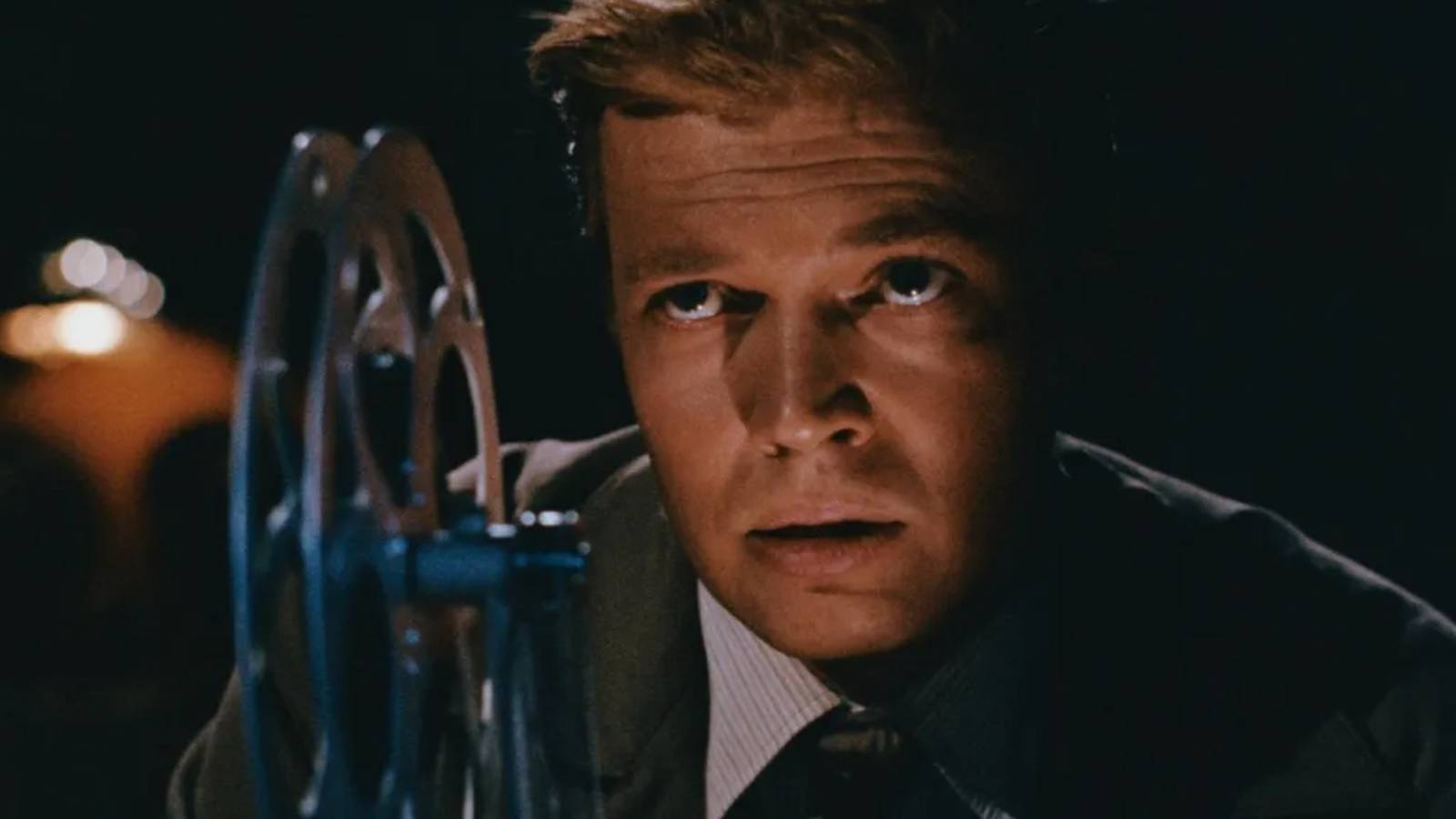
Peeping Tom is the biggest second fiddle in horror movie history, but it’s still a 10/10 perfect film. A serial killer who is obsessed with cameras, uses his passion for photography to document his victims as he kills them. Michael Powell’s proto-slasher is stupendous, but it is overlooked because it stands in the humongous shadow of Alfred Hitchcock’s Psycho.