

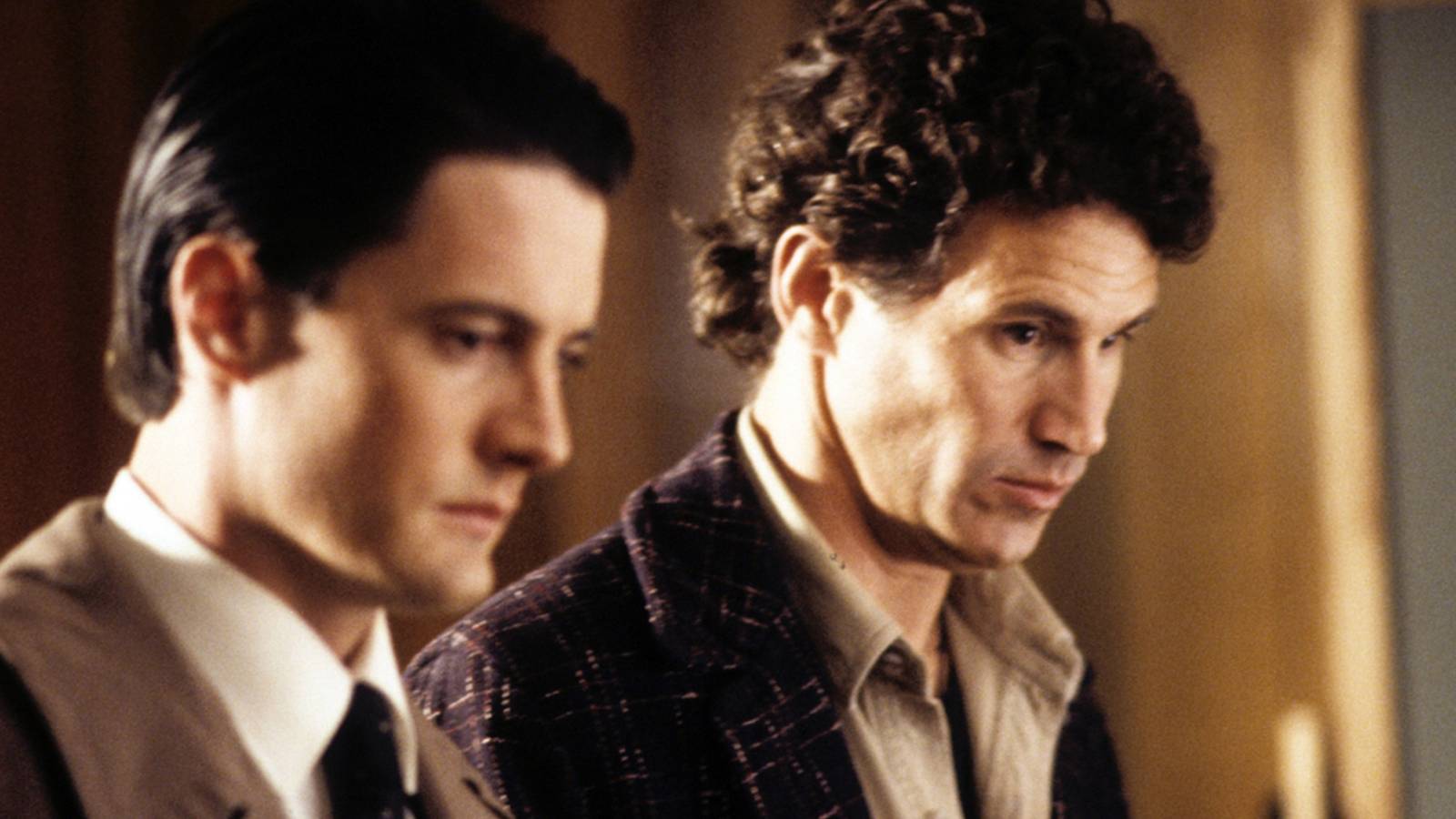
Dale Cooper’s dream about Laura Palmer at the Black Lodge — the sequence that made Twin Peaks iconic — arrived in just its third episode, and changed television forever. Twin Peaks arrived fully formed with one of the greatest pilot episodes ever made: a David Lynch-directed feature-length introduction to this bizarre world and this sprawling cast of colorful characters.
From the outset, Twin Peaks made its mark on television history. Lynch and his co-creator Mark Frost set up a familiar small-town soap opera, complete with campy melodrama — marital affairs, family betrayals, etc. — and then dragged it into Blue Velvet territory, exploring the seedy underbelly of classic Americana. But Twin Peaks is more than just a vibe; it became a TV classic in just its third episode.
It Only Took 3 Episodes For Twin Peaks To Introduce The Black Lodge
The third episode of Twin Peaks is confusingly dubbed “Episode 2,” because the pilot is considered its own thing, but it was given the much cooler title “Zen, or the Skill to Catch a Killer” in its German broadcast. Either way, this is the episode that made Twin Peaks iconic.
In the final moments of the episode, Cooper retires to his hotel room, falls asleep, and experiences a strange dream in which he meets Laura Palmer and The Man from Another Place in the Black Lodge. The dialogue plays backwards and there’s a mysterious shadow moving across the wall. It’s one of the most visually stunning sequences ever confined to the small screen.
The Black Lodge is Twin Peaks’ weirdest piece of lore — it’s overtly supernatural, much like the Upside Down in Stranger Things — and it only took Lynch and Frost three episodes to introduce it. That kind of boldness is what made Twin Peaks feel so different.
Cooper’s Dream About The Red Room Is When Twin Peaks Became Iconic
Twin Peaks season 1, episode 3 was the second episode of the series directed by Lynch, after the pilot, and you can really tell that the visionary behind Eraserhead and Mulholland Drive was in the director’s chair. That closing dream sequence is the moment Twin Peaks became iconic. Still to this day, it’s the first image that pops up in most people’s minds when they think of Twin Peaks.