


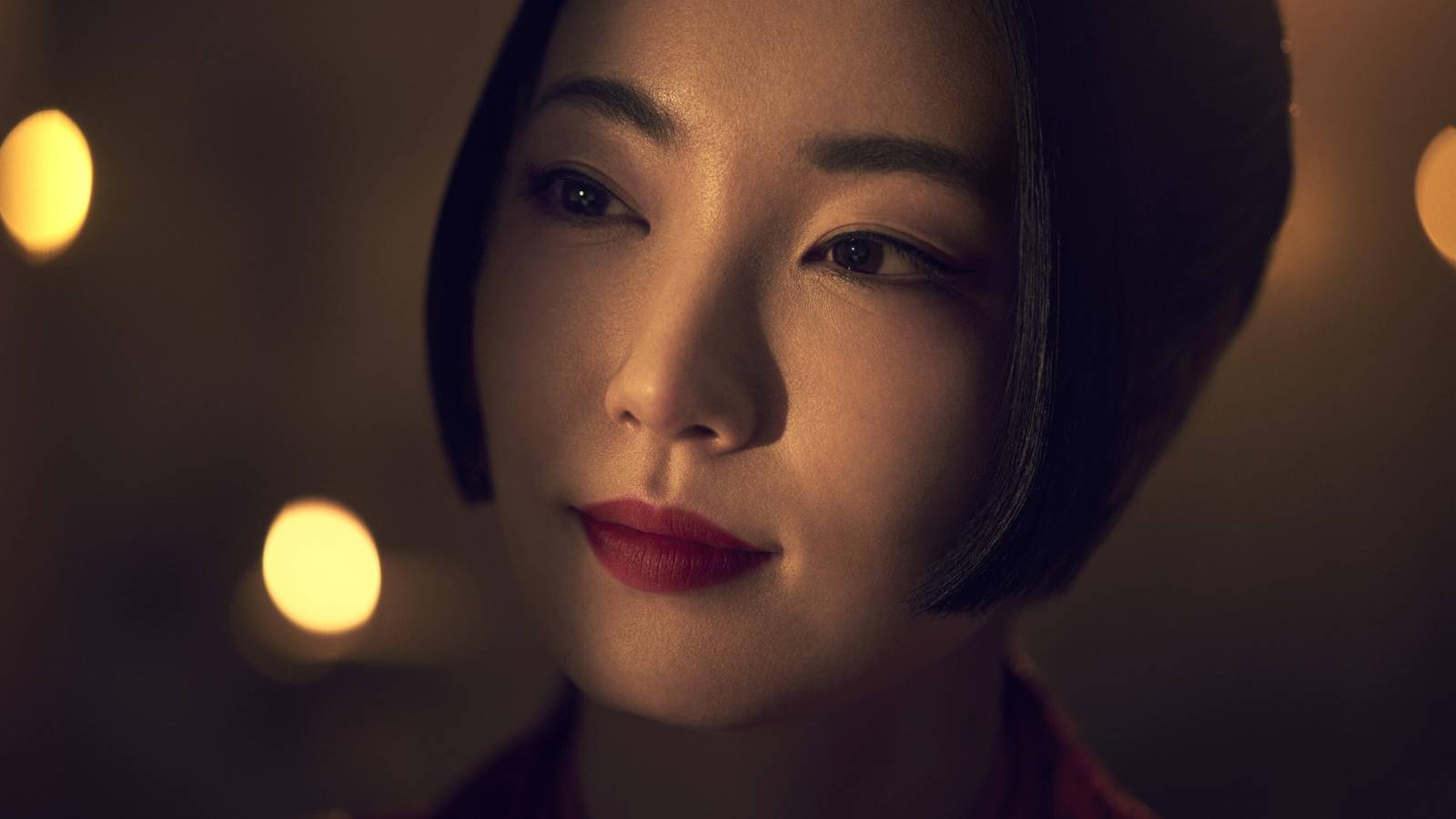
Shōgun has established itself as one of the most widely celebrated shows on TV, and unsurprisingly, it managed to massively improve where earlier TV shows fell short. Shōgun began airing on FX in 2024, with the series also made available through streaming on Hulu.
The series sees two worlds collide as a European boat washes up on the shores of a Japanese fishing village, which leads to major conflicts and considerable political upheaval. An English sailor, John Blackthorne, who arrives on the boat, becomes embroiled in the action, while Lord Toranaga inches closer to wrestling more power for himself and assuming the position of shōgun.
The series won 18 categories at the Emmys after the release of its debut season, and despite initial plans for the show to be a miniseries, the widespread acclaim and adoration it received resulted in it being renewed for a second and third season. However, 2024’s Shōgun was not the first time this story has been adapted for the small screen.
FX’s Shōgun Showed The Perspective Of The Japanese Characters
In 1980, Paramount Television produced a 10-episode miniseries titled Shōgun, based on the same events as the 2024 series. Similar to its successor, this show gained critical acclaim, winning several Emmys and widespread approval from critics. But the show did have a slightly different approach to telling the story.
2024’s Shōgun put the Japanese characters front and center, which makes sense, considering it’s a story set in Japan, with predominantly Japanese characters, Japanese politics, and one Englishman whose appearance makes waves in the community. While Blackthorne’s arrival certainly isn’t ignored, the focus remains firmly on the larger story.
In this way, the show feels more authentic and genuine to the setting. It also allows for the characters who didn’t get enough attention in the original series to take the spotlight and shift the perspective in important and meaningful ways. And, when paired with the original series, it provides a fuller picture of the story, despite some clashing elements of the stories.
The Original Shōgun Series Had Many Flaws
Both shows have a lot in common. Both follow the same characters, and both detail an important moment in the cultural history of Japan as power is transferred to a new military leader, and the conflict that comes out of that tumultuous time. But the original Shōgun inevitably set the hero of the story as Blackthorne.
Despite Blackthorne being an outsider and being entirely unfamiliar with the language, culture, and customs, his story is shown to be the most important in the show, which is evidenced by the fact that none of the Japanese characters had any subtitles. This essentially made their participation in the series feel less essential, and they became more akin to the setting than supporting characters.
The show also leaned heavily into showcasing Blackthorne as a savior, who managed to win important struggles that ultimately paved the way for people like Lord Toranaga to become the next shōgun. All of this resulted in a show that told one part of a larger story and left out essential elements that should have played a bigger role.
NBC’s Shōgun Is One Of The Most Important Shows Of All Time
While the modern adaptation of Shōgun certainly addresses some of the flaws that exist in the 1980 version, the original remains a groundbreaking piece of television history. In terms of the miniseries format, Shōgun followed the success and influence of the 1977 hit show, Roots, which established the format as a prestigious and concise yet powerful method for delivering a story.
And while the Japanese characters were not subtitled in the show, the fact that the series leaned into this, in a way that seemed intentional, and allowed the audience to try and understand the events through context, just like Blackthorne as a stranger in a foreign land, meant that it also forced the viewers to experience the show in a different way.
As a series, it was among the first to film entirely outside the US and air on US television, and the impact it has had is lasting and far greater than simply getting a regurgitated story on contemporary TV. Shōgun helped to introduce the Western audience to themes and cultures beyond many people’s understanding and knowledge, and the modern series simply evolved with a more global audience, which is partially thanks to the influence of the earlier release.
Shōgun earns its spot as a piece of historical television that remains impressive and worth watching, despite the modern show superseding it in many ways. With all of that said, it’s worth revisiting the original 1980 series to get a feeling for the origins of this powerful story, and continuing that journey by watching the modern remake.