


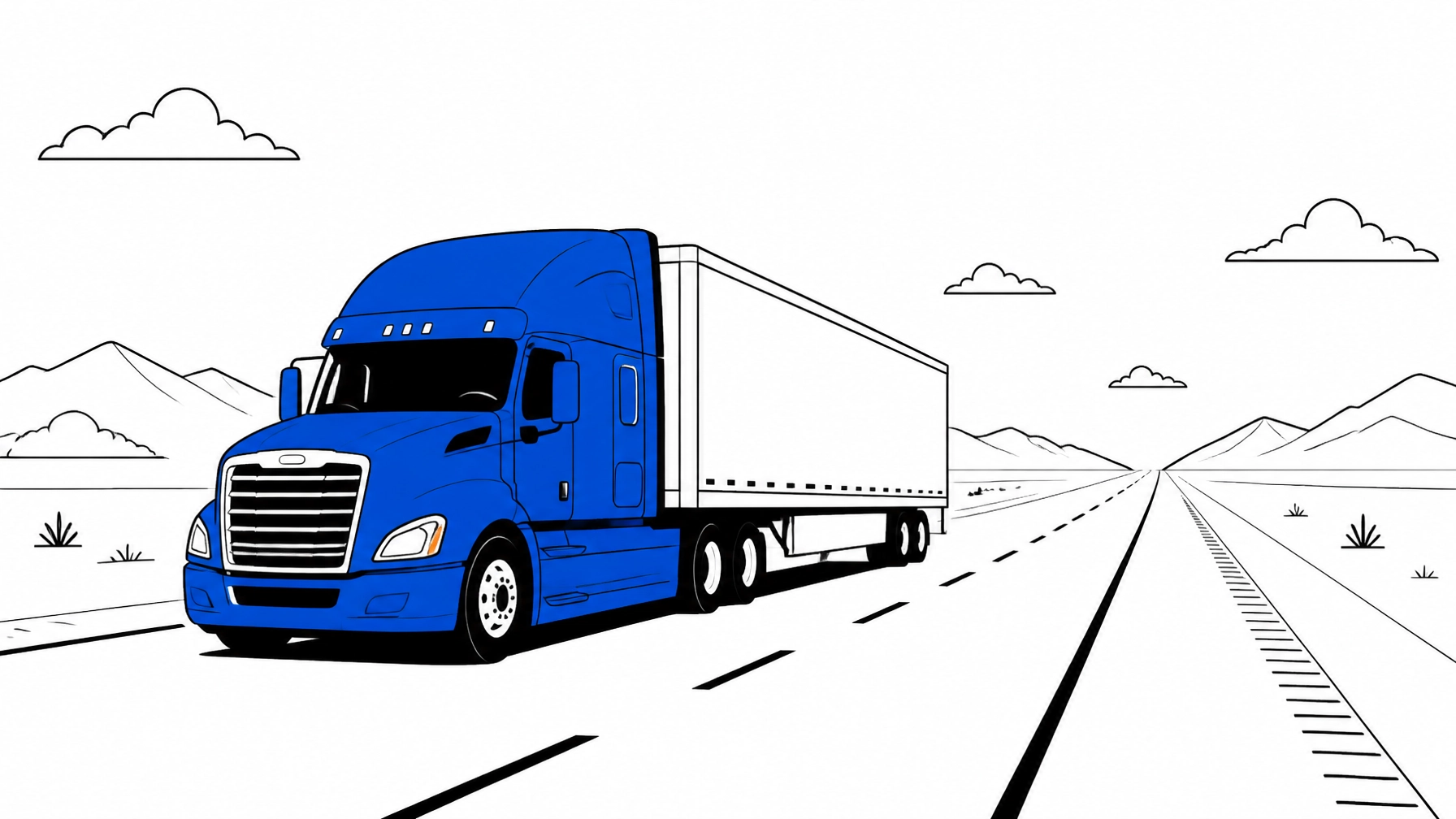
Not too many years ago, a long haul was defined by the steady hum of the engine, a thick stack of paper logs on the dashboard, and the simple intuition of a driver who knew the rhythm of the interstate by heart. You’d pull into a truck stop, grab a coffee, and swap stories about which scales were open and where the cheapest diesel could be found. It was a world of physical maps and CB radio chatter: a community built on shared miles and a common understanding of the open road.
Today, that world is transforming. As we move through 2026, the trucking industry is no longer just about moving freight from point A to point B; it’s about navigating a complex web of digital regulations, economic shifts, and technological breakthroughs. Whether you are an owner-operator or managing a fleet, the latest trucking industry news isn’t just background noise. It is fundamentally changing how you plan your routes, manage your costs, and ensure your safety.
At Dakdan News, we’ve been tracking these shifts across our network, from the regulatory halls of Washington to the high-tech hubs developing the next generation of logistics. If you’ve felt the squeeze of the market lately, you aren’t alone. But understanding the "why" behind these changes is the first step toward mastering the new road ahead.
The Regulatory Overhaul: Goodbye MC Numbers, Hello Precision
One of the most significant shifts hitting the industry this year is the Federal Motor Carrier Safety Administration’s (FMCSA) move to streamline carrier identification. By late 2025 and into 2026, the long-standing Motor Carrier (MC) numbers are being phased out in favor of a unified USDOT number system.
For decades, the MC number was a badge of authority, but the transition to a single identifier is designed to reduce fraud and simplify the oversight process. For the driver on a long haul, this means cleaner paperwork and a more transparent regulatory environment. However, it also requires a proactive approach to compliance. If your systems, signage, and contracts aren't updated to reflect this shift, you're looking at avoidable delays.
Furthermore, the expansion of the Crash Preventability Determination Program (CPDP) is a massive win for professional drivers. The FMCSA has added several new crash categories that can be reviewed for preventability. This means if a motorist loses control and strikes your parked truck, or if a crash is caused by a medical emergency of another driver, you can have that incident removed from your safety profile.
Seeking a cleaner record isn't just about pride; it's about the bottom line. In an era where insurance premiums are skyrocketing, maintaining an "unpreventable" status on your record is a common-sense way to protect your business.

Navigating a "Bruised but Not Broken" Economy
The economic landscape of 2026 remains a challenge for many in the community. We are currently navigating what analysts describe as a "soft" freight market: a period where overcapacity meets cautious consumer spending. For the long-haul driver, this translates to lower spot rates and a tighter struggle to find high-paying loads.
Data from mid-2025 showed that while freight volumes were slowly ticking upward, the sheer number of trucks on the road kept competition fierce. Fuel price volatility continues to be the primary variable that can make or break a trip. While fuel surcharges help, the margin squeeze is real.
Becoming invested in market news is no longer optional. Successful carriers are those who are "kicking back" and analyzing the data before they ever put the key in the ignition. Are you looking at regional demand spikes? Are you utilizing MoneySmarts to manage your business overhead? In 2026, the most successful drivers are as much data analysts as they are master navigators.
The Tech Revolution: AI is Your New Co-Pilot
If the regulatory changes are the rules of the road, technology is the engine driving us forward. The integration of AI and advanced telematics has moved from a "futuristic concept" to a daily reality.
Modern long hauls are now optimized by AI-powered platforms that do more than just provide GPS directions. They are performing dynamic routing: adjusting your path in real-time based on weather, traffic, and even predicted fuel consumption. These tools aren't meant to replace the driver; they are designed to empower them. By reducing idle time and optimizing gear shifts, telematics are helping drivers shave hundreds of dollars off their monthly fuel bills.
We are also seeing the steady rise of electric and autonomous vehicles in specific niches. While the cross-country "million-miler" isn't being replaced by a robot anytime soon, autonomous "middle-mile" logistics are becoming more common. This shift is allowing human drivers to focus on more complex, high-value hauls where experience and intuition are irreplaceable.

Prioritizing the Human Element: Health and Wellness
Amidst all the talk of engines and algorithms, we cannot forget the most critical component of the trucking industry: the driver. The community of enthusiasts who keep this country moving often pays a steep price in physical and mental health. Long hours behind the wheel, limited access to nutritious food, and the isolation of the road are serious hurdles.
This is where the latest trucking industry news takes a turn for the better. There is a growing movement toward "driver-centric" logistics. Companies are beginning to realize that driver retention is cheaper than recruitment, leading to better facilities at warehouses and more flexible scheduling that allows for home time.
At SportsMedical.news, we frequently discuss the importance of preventative care. For a long-haul driver, simple habits: like quick stretches at a rest stop or using tele-health services for mental health support: can extend a career by a decade. Enjoying the journey means staying healthy enough to see the destination.
Why This News Matters to You
So, why does all of this change how you handle a long haul? It’s because the "common sense" approach to trucking has evolved. It’s no longer enough to be a great driver; you have to be a tech-savvy, regulatory-aware, business-minded professional.
- Preparation is Profit: Understanding the shift to USDOT-only identifiers prevents legal headaches.
- Efficiency is Survival: Using AI and telematics isn't just about being "modern"; it's about staying profitable in a low-rate environment.
- Wellness is Longevity: Taking advantage of new health-focused initiatives ensures you stay in the game for the long run.
The road ahead might look different than it did ten years ago, but the spirit of the industry remains the same. It is a world of hard work, resilience, and a commitment to keeping the world moving. By staying informed with the latest updates from GoTrucking.news and the broader Dakdan network, you aren't just reacting to the news: you're stay ahead of it.

Conclusion: The Road Forward
As we look toward the remainder of 2026, the trucking industry continues to prove its resilience. We have moved through a prolonged freight recession and are emerging into an era defined by precision and technology. The news may be moving fast, but for those who are willing to adapt, the opportunities are as vast as the highway itself.
Don't wait for the next regulatory deadline to surprise you. Stay engaged, keep your equipment updated, and never underestimate the power of a healthy driver and a well-planned route. The long haul has changed, but with the right information, you'll find that it's never been a better time to be behind the wheel.
For more updates on the industry, visit Dakdan News and explore our dedicated verticals for the latest in Travel, Money, and Government news that impacts your life on and off the road.