


By Mark Ricci | July 20, 2026
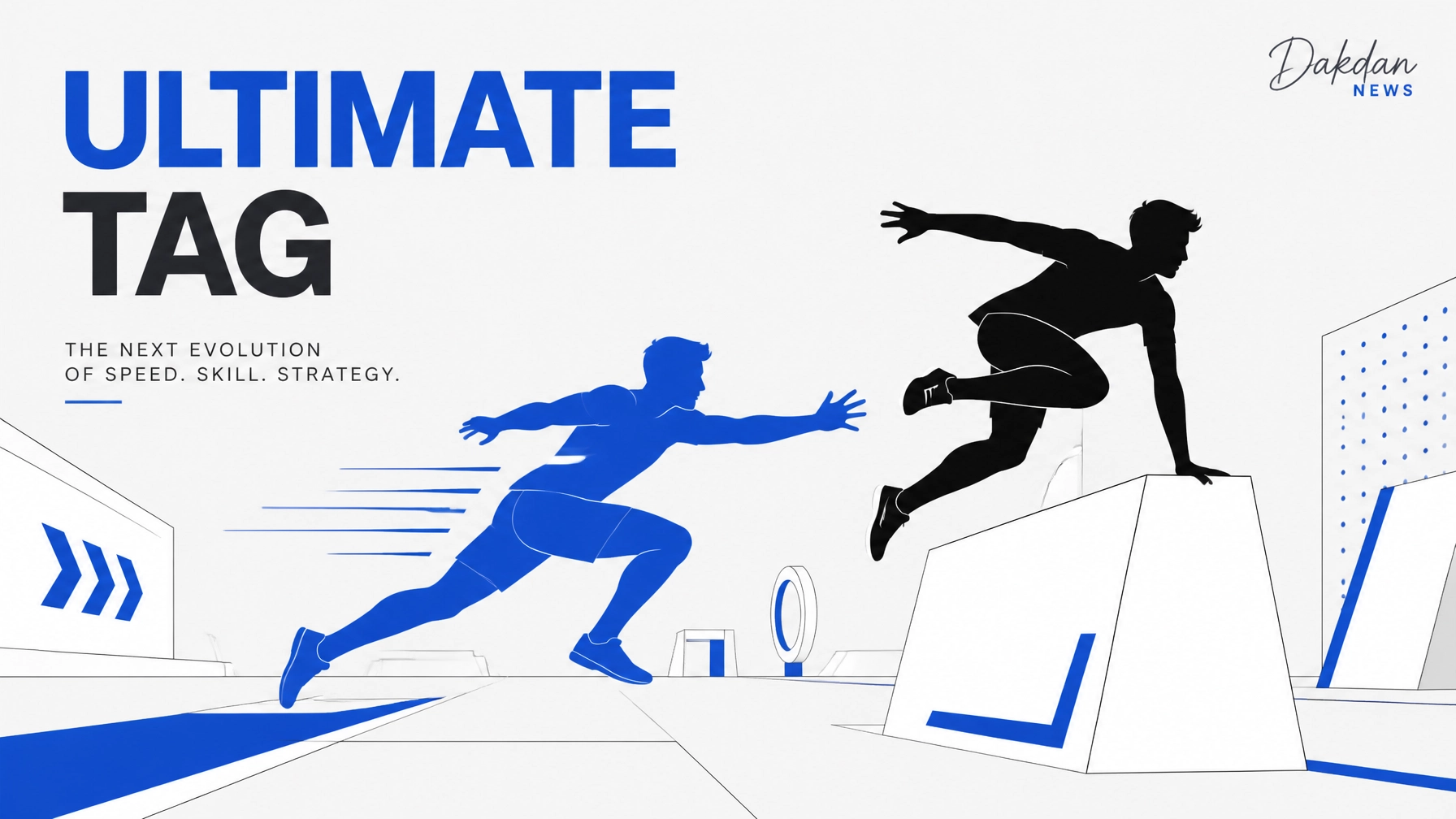
Ultimate Tag is a high-octane physical competition show that turns the classic children's game of tag into a prime-time, obstacle-course spectacle. Airing on Fox in the summer of 2020, the series blends elements of parkour, American Ninja Warrior–style courses, and the gladiator-style blocking and chasing of shows like American Gladiators, all under one simple rule: don't get caught.
Not too many years ago, the playground was the ultimate arena. Before the digital age fully took hold, the simple thrill of a high-stakes game of tag was the highlight of every recess. It was a game of pure instinct, raw speed, and the desperate need to evade capture. In 2020, the entertainment industry news cycle was dominated by a bold attempt to commercialize that very nostalgia. Fox took this fundamental human experience and scaled it into a multi-million dollar television production, aiming to fill a massive void in the sports world during a global lockdown.
Premise and Format: Scaling the Playground
At its core, Ultimate Tag is built on the same idea as playground tag, but elevated with professional-grade obstacle design and elite-level athleticism. The premise is straightforward yet incredibly demanding:
- Contenders: Everyday citizens: not professional athletes: must navigate a series of large, three-dimensional, moving obstacle courses.
- Taggers: Larger-than-life, highly athletic "hunters" chase them through the course, trying to physically tag them.
- The Goal: For contenders to avoid being tagged for as long as possible, earning points based on speed, distance covered, and survival time.
Each episode features multiple rounds with increasingly difficult courses. As contenders progress, the environment becomes their secondary adversary. They face faster, more agile taggers and more complex obstacles that demand vaulting, climbing, sliding, and quick directional changes. In this high-stakes environment, a single mistake- slipping, hesitating, or misjudging a jump- can mean instant capture.

The show's structure is similar in spirit to World Chase Tag (a global competitive tag league) and to American Gladiators in that it pits regular people against elite chasers in a controlled arena. However, Ultimate Tag emphasizes continuous movement and evasion rather than the head-to-head duels or point-scoring challenges seen in other formats.
Hosts and Production: The Watt Factor
In the world of sports media, talent is often the differentiator between a hit and a one-season wonder. Ultimate Tag was co-hosted by the Watt brothers: NFL stars J.J. Watt, T.J. Watt, and Derek Watt, who brought both professional-athlete credibility and a playful, competitive energy to the show.
The Watts were more than just talking heads; they served as the bridge between the "playground" roots of the game and the professional athleticism on display. Their background as elite football players added weight to the idea that the taggers were not just entertainers but genuinely dangerous opponents in terms of speed, power, and pursuit skills.

The series aired as a one-hour reality competition on Fox, running from May 20 to July 29, 2020. Produced as a single season with multiple one-hour episodes, it launched into a "COVID sports void," where traditional leagues like the NFL, NBA, and MLB were temporarily sidelined. While the show captured initial curiosity, it was ultimately canceled after its first season and has not been renewed in the U.S. market.
The Courses and Taggers: Characters of the Chase
While specific course designs varied by episode, the show's obstacles generally included multi-level structures with ramps, platforms, and suspended walkways. The production utilized moving elements: rotating arms, shifting platforms, and conveyor-style sections that forced contenders to time their movements with surgical precision. Tight corridors and open "arena" sections allowed taggers to build momentum and cut off escape routes, creating a claustrophobic tension for the runners.
The taggers were presented as a recurring cast of characters, each with their own specialized "hunting" style:
- Speed Specialists: Some taggers relied on raw speed and relentless pursuit to wear down contenders.
- Agility Experts: Others utilized parkour-like movement and anticipation to corner contenders in the more vertical sections of the course.
- The Bosses: A few were framed as "boss-level" taggers who appeared only in later rounds or finals, representing the ultimate test of a contender's evasion skills.

The dynamic was deliberately skewed. While the contenders were skilled amateurs, the taggers were closer to professional athletes or stunt performers. This inherent power imbalance meant that every successful evasion felt like a massive underdog victory, a key component of its fan-driven appeal.
How Contenders Win: The Metrics of Survival
In Ultimate Tag, survival is the only currency. Contenders earn points based on their ability to outlast the clock and the hunter. The scoring metrics were divided into three primary categories:
- Time Survived: The longer a contender remained untagged, the higher their score.
- Distance Covered: Progress through the course was rewarded, preventing contenders from simply hiding in one corner.
- Cumulative Performance: Scores were tracked across multiple rounds to determine who advanced to the final heats.
As the competition progressed, the field narrowed, and the remaining contenders faced the toughest courses and the most aggressive taggers. The last person (or people) standing were crowned champions of their heat, proving they could outrun, outmaneuver, and outlast the best hunters in the arena for a chance at a significant cash prize.
Business Context: International Licensing and Ratings
From a business perspective, Ultimate Tag represented a strategic attempt by Fox to create a "broad, family co-viewing" format. At launch, it was Fox’s highest-rated unscripted summer debut in eight years. However, the show's trajectory serves as a case study in the volatility of the entertainment industry news landscape.
The show initially averaged 1.81 million viewers, but ratings slid toward the end of the season. Despite the decline, the format saw some international traction. The Seven Network in Australia commissioned its own version of the show in 2021, though it suffered a similar fate, being canceled after just one season due to low ratings.

Legacy and Place in the Genre
Despite its short run: just one season in 2020 before being canceled: Ultimate Tag stands out as a modern attempt to reinvent a fundamental childhood activity as a broadcast sport.
- World Chase Tag: The professional, parkour-based league that defines the serious competitive side of the sport.
- American Gladiators: The spiritual ancestor that first proved audiences would tune in to see regular people face off against elite "villains."
- Obstacle-Course Competition: Shows where the environment is designed to be as much of a character as the human participants.
While it did not become a long-running franchise, Ultimate Tag demonstrated that a simple childhood game could be scaled into a high-stakes, visually dramatic format. It blended parkour, athleticism, and game-show tension into a single, easy-to-explain concept: run fast, think faster, and don't let them catch you. In an era where networks are constantly seeking the next "big thing," Ultimate Tag reminds us that sometimes the best ideas are the ones we already knew how to play.
Mark Ricci is a veteran entertainment and media business journalist covering the intersection of Hollywood, finance, and technology. His work focuses on the strategic decisions shaping the future of content creation, distribution, and live events across the global entertainment industry. He is a regular contributor to Dakdan News.