


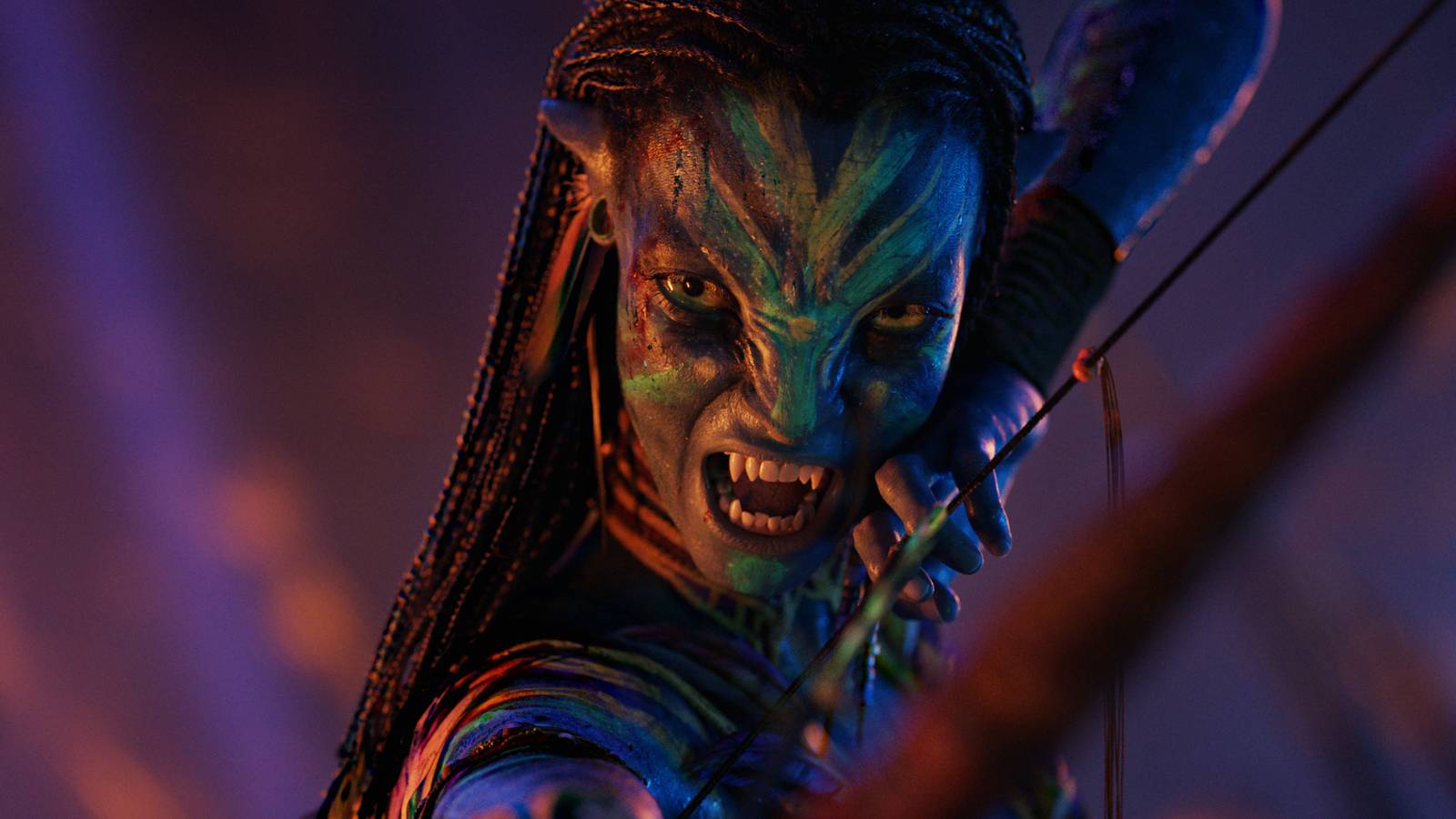
The following contains spoilers for Avatar: Fire and Ash
Avatar: Fire and Ash is a big, bombastic showcase for the world of Pandora, with the ending concluding the central emotional arc of the film while leaving plenty of lingering threads to revisit in other prospective sequels. Fire and Ash picks up directly after 2022’s Way of Water, itself the sequel to the 2009 blockbuster smash, Avatar.
The new film sees the Sully family on the brink of splintering apart, all while new discoveries about Pandora and enemies rallying against them threaten to disrupt the future of the planet. The film’s ending is emotionally rewarding, but leaves enough questions unanswered that a potential sequel has plenty of potential directions to go in.
How Avatar: Fire and Ash Changes The Rules Of Pandora
Avatar: Fire and Ash introduces a lot of wild new changes to the world of Pandora that could set up a wildly different future for the franchise. Picking up almost directly after the events of Way of Water, the film’s biggest additions to the lore have to do with Spider, the human member of the Sully clan.
When it seems that he is going to suffocate due to the planet’s unique atmosphere, Kiri is able to use her connection to Pandora to induce a fusion of his body with fauna. This gives Spider the ability to breathe freely on Pandora and sets up one of the main conflicts of the film.
Jake fears human scientists could capture Spider and reverse engineer the process, allowing humanity to fully invade Pandora. This almost spurs him to kill Spider out of fear for this possibility, but he ultimately can’t go through with it and instead reaffirms Spider’s place in the Sully family.
The other big twist on how Pandora has been presented so far in the series is the overt inclusion of Eywa. The Na’vi God was established in the first film, but has largely been a supernatural and unseen force. She’s largely operated in the background so far.
Kiri’s arc in the film sees her trying to connect more closely with Eywa, especially after she finds out about her origins as the child of Grace’s Avatar and the spirit of the world. It isn’t until the climax of the film when Kiri is assisted by Spider and Tuk that she is able to fully do so.
Eywa briefly appears on-screen before lending her help to turn the tide of the final battle. Both of these elements are potential game-changers for Avatar, and set up Spider and Kira (who also get some romantic teases) as the most important figures for the franchise’s future.
What Happens To Quartch?
Quartch returns in Ash and Fire in his Avatar body, with a renewed passion for bringing down Jake. However, the character is complicated by his relationship to Spider and Varang, the leader of the Ash Village. Quartch and Varang are initially antagonistic, but quickly find common ground (and a mutual attraction).
This sets them up to ally the Ash Tribe and the Earth military. Along the way, Quartch becomes increasingly connected to the Na’Vi culture in a way that reflects Jake’s arc in the first film. By the final stretch of the movie, Quartch has even donned war paint that marks him as a member of the Ash Tribe.
Quartch’s fate is ambiguous at the end of Ash and Fire. Cornered by the heroes, Quartch allows himself to fall into the fires below and is last seen fading into the smoke. This could easily be the end of the character, but his lack of on-screen demise leaves the door open for a potential Avatar 4 return.
How Avatar: Fire And Ash Sets Up A Sequel
Avatar: Ash and Fire ends on a fairly conclusive emotional note for the Sully family. The drama between the family is resolved, and Spider ventures into the spirit realm with Kiri to affirm his place in their tribe. Along the way, several of the major threats (like Quartch, General Ardmore, and the Tulkun hunter Scoresby) are seemingly dispatched.
However, there are a lot of lingering threads that could be revisited in a potential follow-up. Selfridge, the CEO who has been an overarching antagonist and the source of the RDA’s funding, is absent from the battle in the finale and presumably survives as a result.
Selfridge’s knowledge about Spider’s new attributes gives him plenty of reason to keep searching for Spider, which could drive the plot of a follow-up. Varang also survives the climax, fleeing the battle after Kiri overwhelms her. Varang could find Quartch and rescue him, or could even turn out to be pregnant with his child.
This could further entrench her as the dark mirror to Neteryi and position her as a major big bad going forward. She also has a greater knowledge about human weaponry now, thanks to Quartch’s training, which could lead to the remnants of the Ash Tribe using more human technology in their future skirmishes.
There’s also the fallout of humanity finding out that Jake, who was set to be executed while briefly captured, has escaped once again. This could set up a larger human military to get involved in the conflict, further escalating the stakes for a prospective fourth film.
The True Meaning Of Avatar: Fire And Ash
The third entry in the Avatar franchise, Fire and Ash is very much about the harder questions that can come up in the aftermath of grief. A major emotional bedrock for the film is Neteyam’s demise in the prior film. The lingering grief pushes Jake and Neteryi apart for a time, and his memory continues to haunt Lo’Tuk.
The Sully family is forced to reckon with the darker shades of their grief, such as Jake blaming Lo’Tuk, Neteryi struggling to not blame Spider for the event, and Lo’Tuk even considering suicide at one point out of grief. The film sees all these arcs resolved by the family coming together and enduring the dangers of the world.
This also pays off Kiri’s plot line, which sees her solo efforts to reach Eywa thwarted. However, when her family gets involved, they not only reach the Goddess but convince her to help them. These family themes are also at the core of the other tribes of Na’vi, the Tulkun tribes, and Quarth’s efforts to reach through to Spider.