


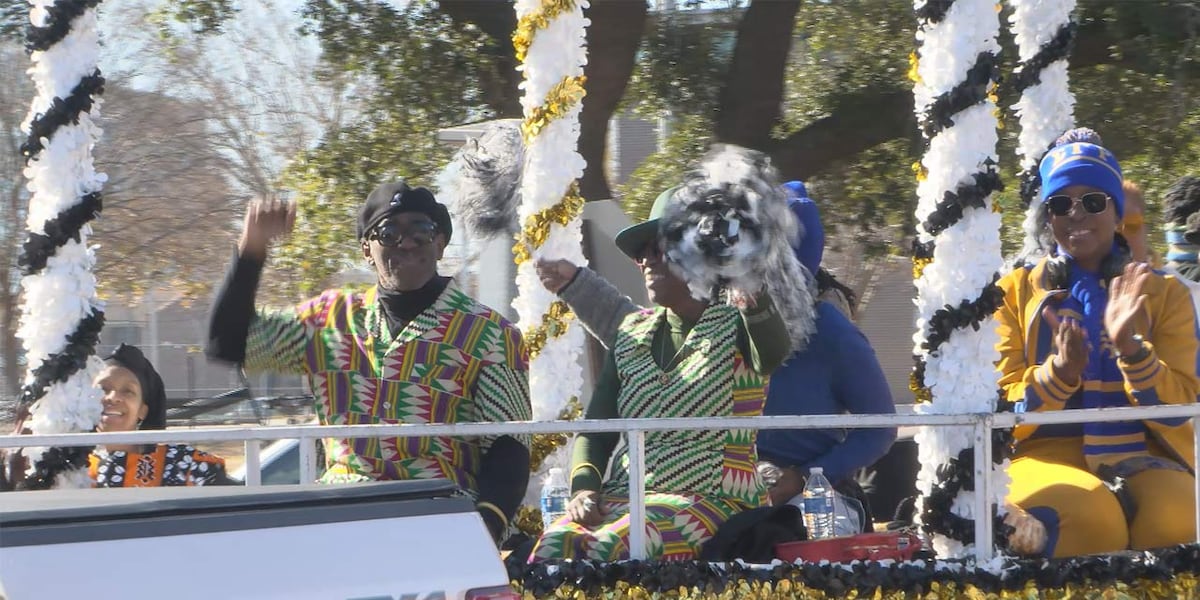
CHARLESTON, S.C. (WCSC) — An annual parade in downtown Charleston celebrates the historical meaning behind the first day of each year.
Emancipation Day commemorates the anniversary of the Emancipation Proclamation document that went into effect on Jan. 1, 1863.
The Charleston Emancipation Proclamation Association Inc. commemorated the anniversary with its annual Emancipation Day parade on Thursday.
Association president Robert Crawford says the organization has been celebrating the anniversary in Charleston for the last 161 years. This year’s theme is called “A Bridge Over Troubled Waters.”
“I think it was actually an opportunity to bridge the gap for those who were enslaved and now about to be free,” Crawford says. “It’s like a transition going from midnight and waiting to now in the daylight and being on another opportunity to serve and to be a part of our community.”
The event worked in partnership with the International African American Museum and the Gullah Geechee Corridor.
Paradegoers, participants and visitors saw an extension of the theme in a free public event at the museum. Guests learned about the day’s history with a reading of the Emancipation Proclamation document. Local historians and community leaders shared historical insight, music and provided future programming opportunities.
Museum public historian Brandon Reid says the event offers a moment to reflect on the history of freedom.
“How can we come together as one community to reflect, to grow, to celebrate, and strive to be very thoughtful and intentional about how we put that effort towards the future as well, so how can we, as one community, come together to build that bridge?” Reid says.
The events play a role in the museum’s annual Renewal Series. The winter programming highlights cultural and commemorative days, including Kwanzaa, Watch Night traditions, Emancipation Day and Martin Luther King Jr. Day.
An estimated 50 groups and 10 parade floats started at Burke High School before making their way through downtown streets.
Crawford hopes the parade will expand to 100 participants in the future. The association president also hopes for more community involvement.
“Black history is our history. This is our time to serve, and this is our time to be a part of our own history. Starting in Charleston,” Crawford says. “We were enslaved and brought here; now we are free. Let us celebrate. Let us celebrate with all our heart and all our soul.”
More information about this series is on the museum’s website.