


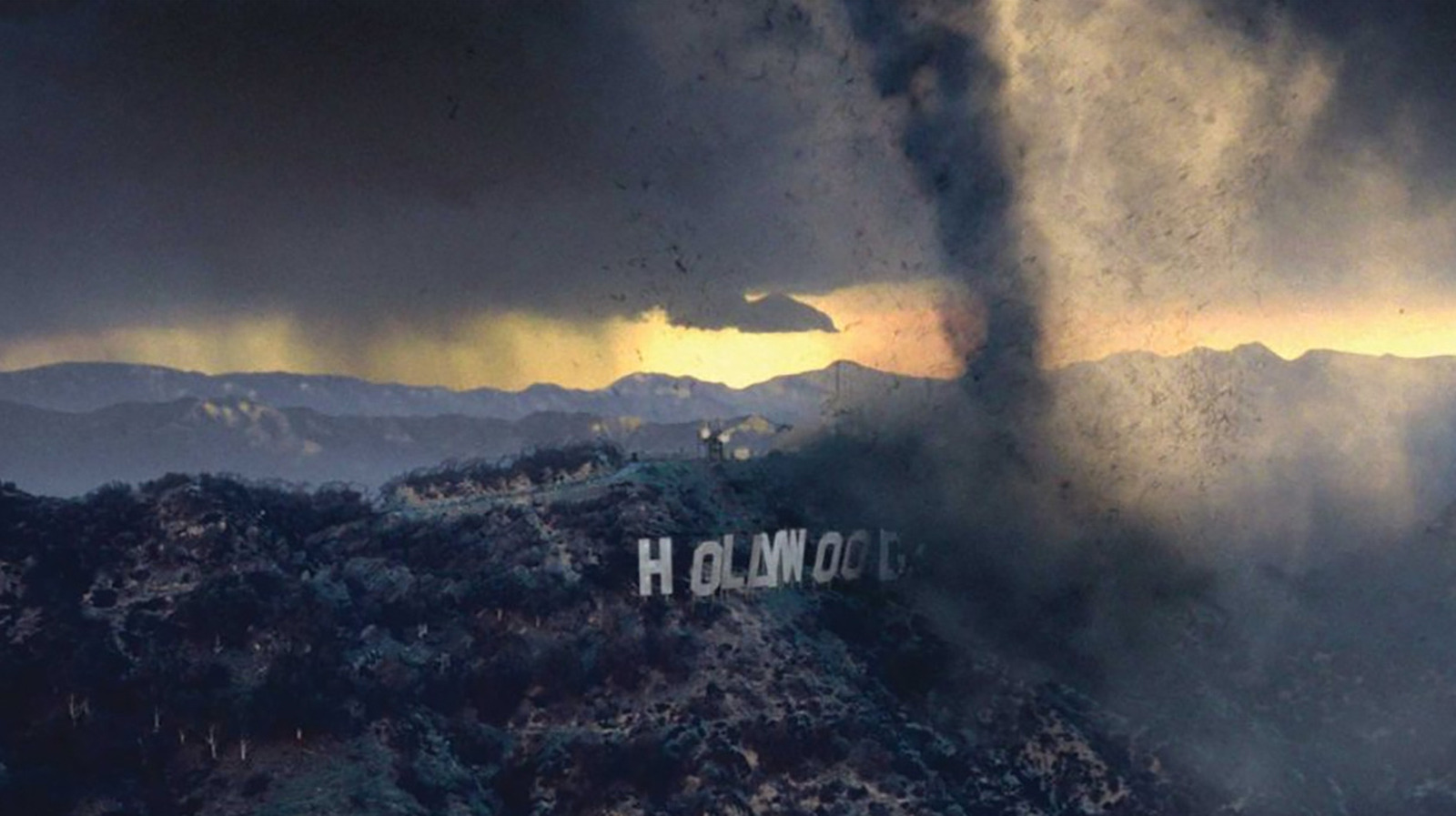
We must start with the gloom and doom, I’m afraid.
Hollywood is undergoing an inflection point. As we have all noticed, several major film studios have merged in recent years. Back in late 2009, Disney purchased all of Marvel, setting the Marvel Cinematic Universe into motion. This was successful, so Disney next purchased Lucasfilm. This was also successful, so Disney just went for the whole kit ‘n’ caboodle and purchased 20th Century Fox, a century-old film studio.
And that wasn’t the end of it. Warner Bros. and Discovery mushed together, bringing about a horrid dystopia of slate-clearing and film-hating from the widely reviled CEO David Zaslav. Then Skydance/Paramount became a thing. A lot of these panicked mergers have been done to combat the rise of streaming and the fallout from the streaming wars.
It’s no secret that studio CEOs are not movie lovers, but in recent years, they have been much more cutthroat. Art is vanishing as a result. It should also be acknowledged that several major companies have capitulated to a capricious presidential administration by settling fallacious lawsuits and giving the president millions of dollars. One might recall the Jimmy Kimmel debacle. Studios are under threat, and they’re proven willing to bend the knee to survive. They also seem happy to scrap century-old businesses if it makes them a buck and puts them in the president’s good graces.
Now, as of today, there is a bidding war over whether Paramount/Skydance or Netflix will absorb Warners. Netflix made an offer, and Paramount/Skydance offered a hostile takeover in return. According to Axios, the president’s son-in-law is behind the hostile takeover.
This is the worst thing for mainstream entertainment.
But it may, if we can find some hope, be a good thing for art in the long run. Gen-Alpha may save us.
How did we get here?
Beginning in the mid-1990s, and throughout the 2000s, Hollywood feared that the rise of the internet would eat into theatrical profits. One can see this in terrified anti-piracy PSAs and multiple feature films about how scary it was to use computers. (Remember the anti-A.I. messages of