


OPENING LINE
“Sites like Polymarket and Kalshi can, in theory, reveal the truth about the future. Yet they risk being undermined by those who already know it.”
Sign up here.
FIVE THINGS I LEARNED FROM BREAKINGVIEWS THIS WEEK
STRAITS SHOOTING
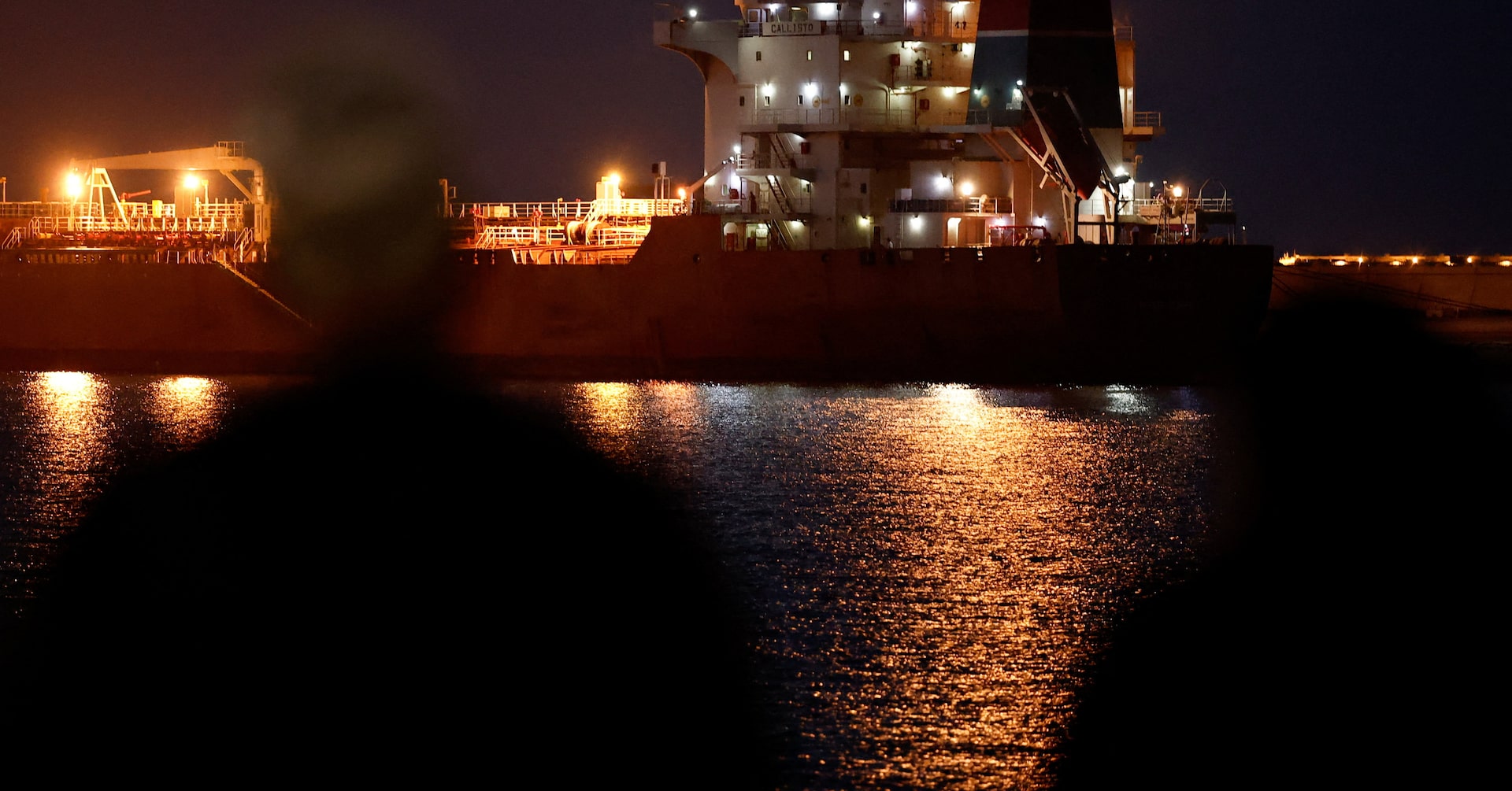
A fortnight since attacks on Iran started it’s still far from clear when they will end. President Donald Trump insists the United States is “totally destroying” the regime, while investors in stocks, bonds and commodities are still pricing in a swift resolution. Yet as Tehran’s new leader voices defiance, it’s time to seriously consider the possibility of a drawn-out conflict.
Despite continued bombing by the U.S. and Israel, Trump cannot credibly declare victory while Iranian rockets, drones and mines are threatening ships in the Strait of Hormuz. This logic is forcing investors to reconsider their favourite acronym. The “TACO trade” once stood for Trump Always Chickens Out. An updated alternative might be Tehran Aggressively Chokes Oil.
How long this standoff continues is guesswork. In the meantime, the world’s largest economies have few good ways to ease the pressure on energy markets. As Yawen Chen points out, releasing 400 million barrels from strategic oil reserves is good for about 29 days, while it takes time to pump the black stuff out of the underground caverns where it is stored. Relaxing U.S. sanctions on Russia had only a small impact on the price of Brent crude, which continues to hover around $100 per barrel, while handing President Vladimir Putin what Pierre Briancon describes as a consolation prize.
The shockwaves are being felt throughout the global economy. Squeezing supplies of oil and liquefied natural gas upends production of plastics and industrial chemicals, while disruption to shipping has also stopped flows of urea and ammonia, essential ingredients in fertiliser required to grow food. The effects have rippled to industries like airlines, though Oliver Taslic shows the effects are unevenly distributed.
When energy supplies are squeezed it doesn’t take long for governments to feel the pressure. India, which imports 80% of its natural gas from the Middle East, has already curbed supplies to industries and consumers, Shritama Bose explains. Developed countries are discussing whether to ease energy-related taxes, subsidise consumers, or cap fuel prices – as many did after Russia invaded Ukraine in 2022. Indebted governments can ill afford fresh cash handouts. Yet Jon Sindreu makes the case that doing nothing will also lead to increased inflation, higher interest rates – and elevated costs for sovereign borrowers.
Some countries are more insulated. China’s cautious approach to stockpiling and low inflation gives it an enviable buffer, says Ka Sing Chan. By contrast, Hugo Dixon lists the reasons why Europe has a bad hand, while Antony Currie points out that Australia’s foot-dragging approach to the energy transition now looks even more foolish. It’s another reminder that governments, companies and financial institutions should be preparing for the worst, whatever happens next in Tehran.
CHART OF THE WEEK
A favourite trope of armchair generals is that future wars will be fought over water rather than oil. That’s not yet the case in the Middle East. Even so, the bombing of water treatment facilities in Iran and Bahrain is a harsh reminder of the region’s fragile supplies of H2O. Desalination plants have made ever-larger parts of the region habitable. As Aimee Donnellan explains, Gulf states are particularly vulnerable.
THE WEEK IN PODCASTS
PARTING SHOT
From time to time, Breakingviews columnists engage in thought experiments. One recent exercise was: what would happen if OpenAI fails? It may seem ludicrous to debate the collapse of an artificial intelligence startup that just raised $110 billion and is generating annualised revenue of $25 billion. Yet CEO Sam Altman is rapidly burning cash and has made financial commitments worth more than $1 trillion. As Karen Kwok writes, many startups fail. Why should really large ones like OpenAI and Anthropic be any exception?
Want to receive The Week in Breakingviews in your inbox every Saturday? Sign up for the newsletter here.
For more insights like these, click here, opens new tab to try Breakingviews for free.
Editing by George Hay; Production by Oliver Taslic
Breakingviews
Reuters Breakingviews is the world’s leading source of agenda-setting financial insight. As the Reuters brand for financial commentary, we dissect the big business and economic stories as they break around the world every day. A global team of about 30 correspondents in New York, London, Hong Kong and other major cities provides expert analysis in real time.
Sign up for a free trial of our full service at https://www.breakingviews.com/trial and follow us on X @Breakingviews and at www.breakingviews.com. All opinions expressed are those of the authors.
Peter is Global Editor of Reuters Breakingviews, based in London. He was previously EMEA editor, and before that spent four years in Hong Kong as Asia Editor, where he oversaw the launch of Breakingviews’ Asian edition. Prior to joining Reuters in 2009, Peter spent 10 years at the Financial Times, including five years as the paper’s banking editor, leading its award-winning coverage of the credit crunch. Between 2000 and 2004 Peter reported for the FT from New York, where he covered a range of stories including the 9/11 attacks and their aftermath. A Dutch national, Peter has degrees from Bristol University and the London School of Economics.